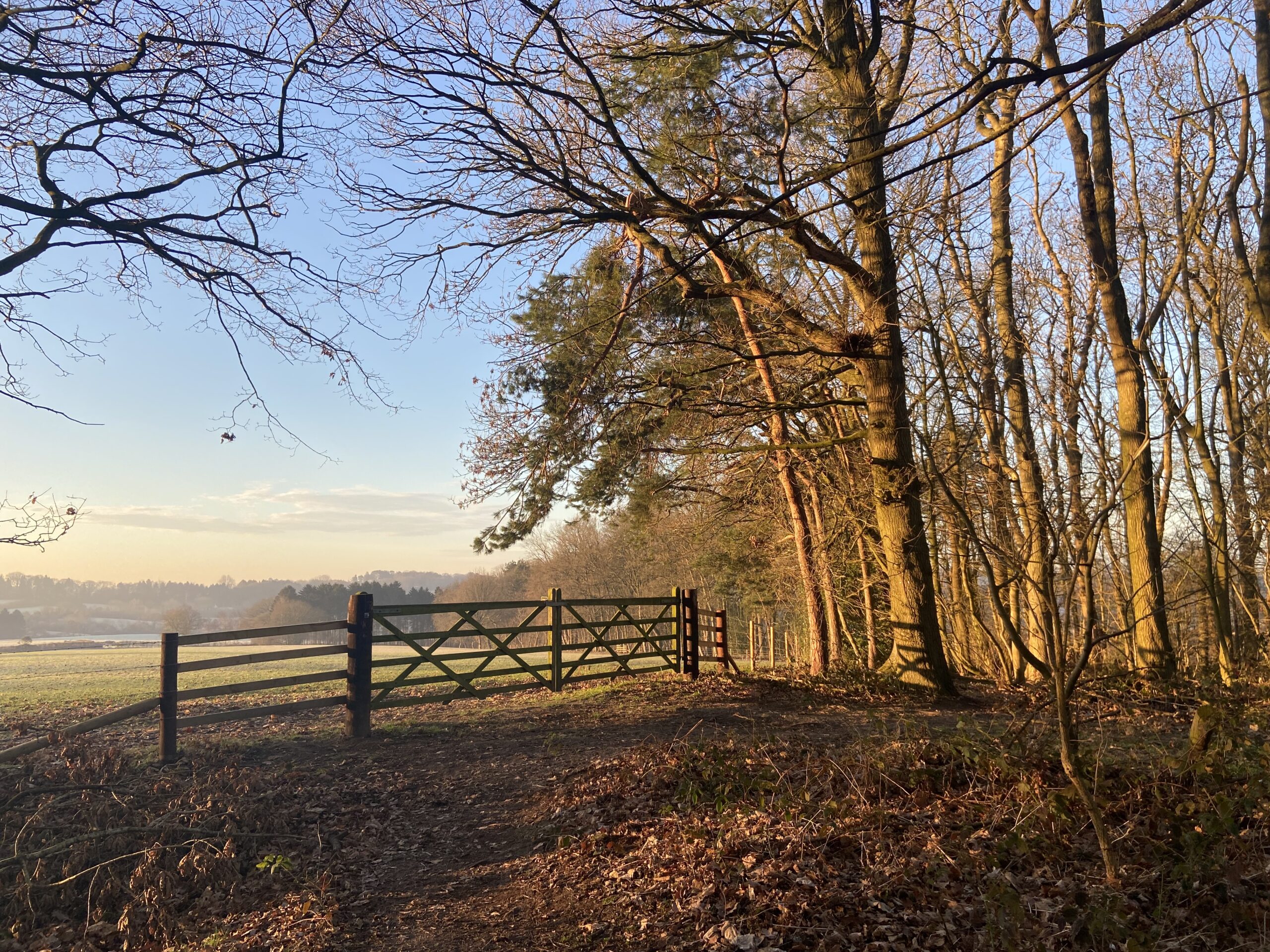
Ever broken down a barrier you didn’t previously know was there, discovering something new?
Studying for a photography degree opened up my mind to writing.
The turning point was writing a dissertation. While some of my cohorts viewed it as a chore: necessary, but something which got in the way of taking photographs, I learned to love researching and reflecting upon what photography is.
Words give an image context. They can expose how we interpret an image, They can inspire and provoke agreement – or disagreement.
Words provide another dimension to the visual.
But academic writing can also be inaccessible. ‘High brow’. Abstract.
This post marks the beginning of a voyage of discovery. I intend to write about aspects of photography in an informed, but accessible way. The aim is to inspire you, the reader, to enjoy photography more – both making your own and appreciating the work of others. We will explore possible meanings of famous photographs. We will look at ourselves and what motivates us to take more of them than ever before in history. I will look at how old photographs can still teach and excite us, while contemporary work can be our guide into exciting new frontiers.
Sound good?
I’m looking forward to taking this journey with you. Let’s go!
Books I found helpful:
Handley, A. (2023) Everybody writes: your new and improved go-to guide to creating ridiculously good content. (Second edition) Hoboken, New Jersey: Wiley.
Oxford University Press (ed.) (2016) New Oxford style manual. (New second edition) Oxford, United Kingdom: Oxford University Press.
Fowler, H. W. and Butterfield, J. (2015) Fowler’s Dictionary of Modern English Usage. (Fourth edition) Oxford ; New York, NY: Oxford University Press.
Davidson, G.W. and Roget, P.M. (eds.) (2004) Roget’s thesaurus of English words and phrases. (New ed) London: Penguin Books.