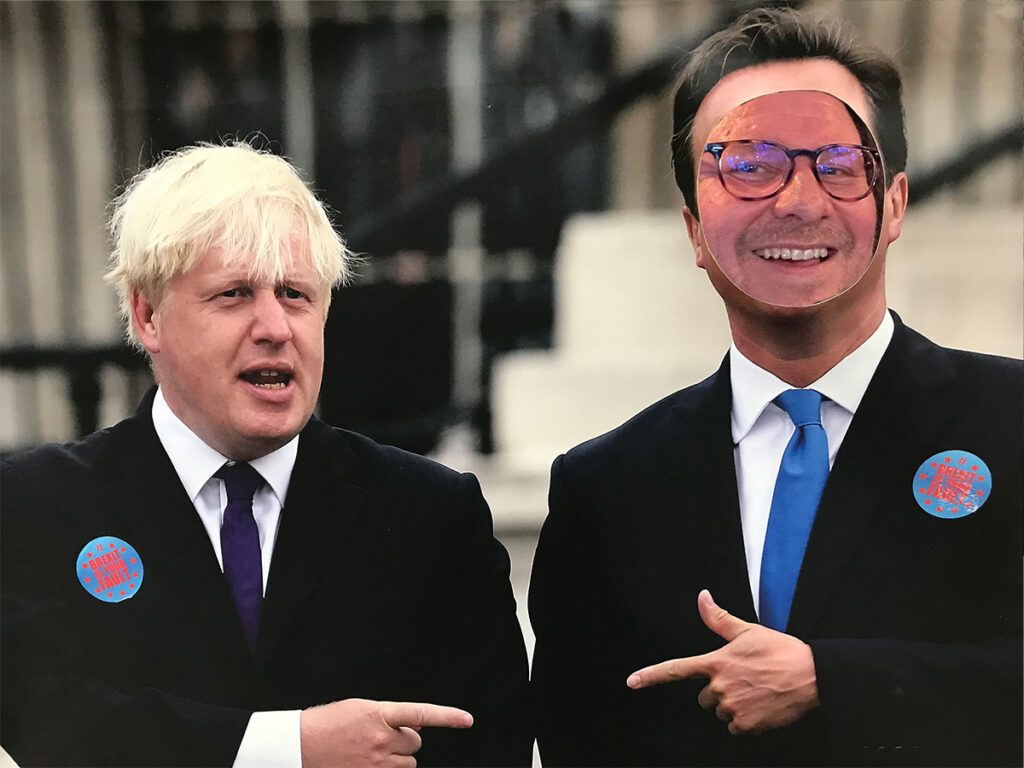
Conflict and division seem to be everywhere nowadays.
Haves and have nots, right or wrong, good or bad, peng or mingin’…
Everything has to be judged.
Even the mother of all Parliaments fell into acrimonious division this week during – ironically – an attempt to reach an agreement on the terrible events in Gaza.
Hang on? Politics? I came here for photography and something a bit less….erm….’ divisive’, I hear you say.
Bear with me. I’m getting to it.
Art reflects our culture, and art is divisive by nature. Some people will inevitably like one piece, another person will not. It takes a while to get comfortable with the concept of this being a good thing when first publishing our work. But if we did all like the same thing we would all drive the same colour car and hang the same painting on our walls. There would be no fresh ideas or stimulation, just two buckets for everything in life labeled ‘good’ and ‘rubbish’. What if you can’t afford the best? Are you then a nobody?
That’s easy to acknowledge, but if someone doesn’t like your photograph, it can feel personal. If the image stirs something deep within you, surely the viewer is, by proxy of the photograph, casting their judgment on you too?
Yes. The more you put yourself into something, the more you expose who you truly are – along with a greater risk of receiving unkind feedback. But the upsides outweigh the downsides.
One way to sidestep this is to take the safer route of pursuing technical quality and skill in photography. Dedicating themselves to a quest for the perfect landscape or rarest wildlife creatures, these photographers produce some outstanding work – take a look at this year’s Wildlife Photographer of the Year. If that’s your thing, great. But – I’m sorry to be divisive again – photography also has much more to offer.
Sorry, who are you?
Arguably most opinion-splitting thing we had to do at university was to photograph strangers. Some loved it, others hated it.
With a background in wedding photography, I thought it would be easy. But I found it terrifying. Will strangers swear at me? What if they mistrust my motives and smash my camera, or hit me? Will they think I’m a weirdo and call the police?

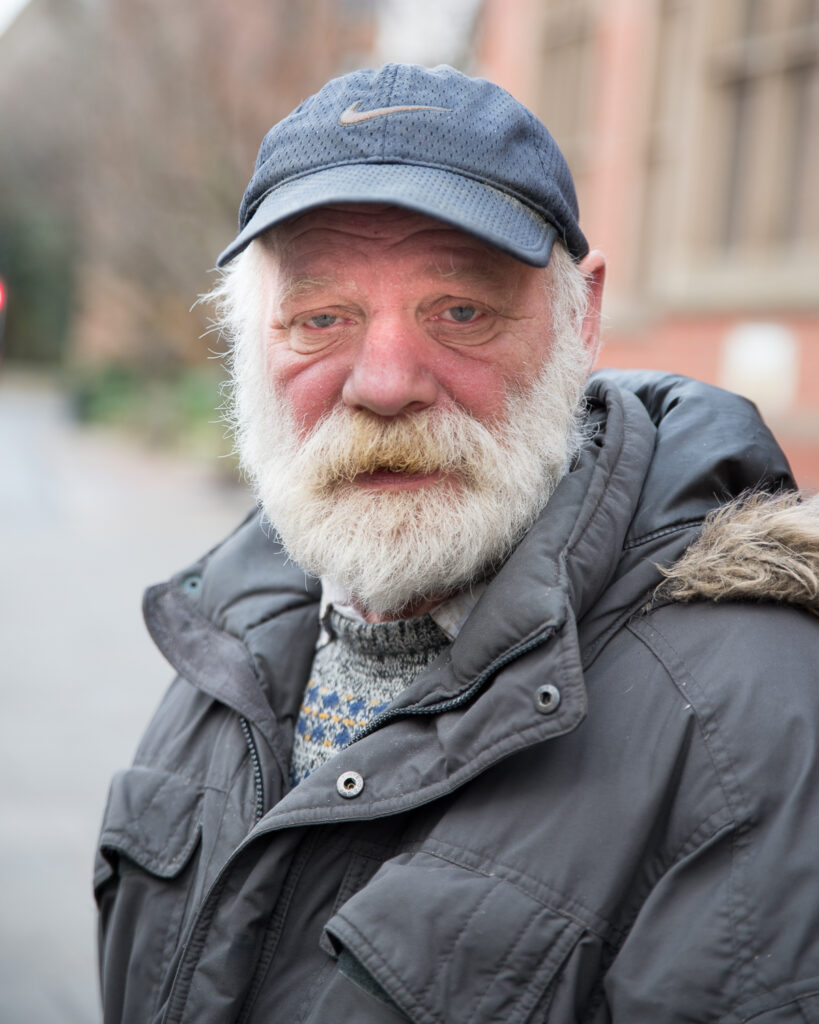
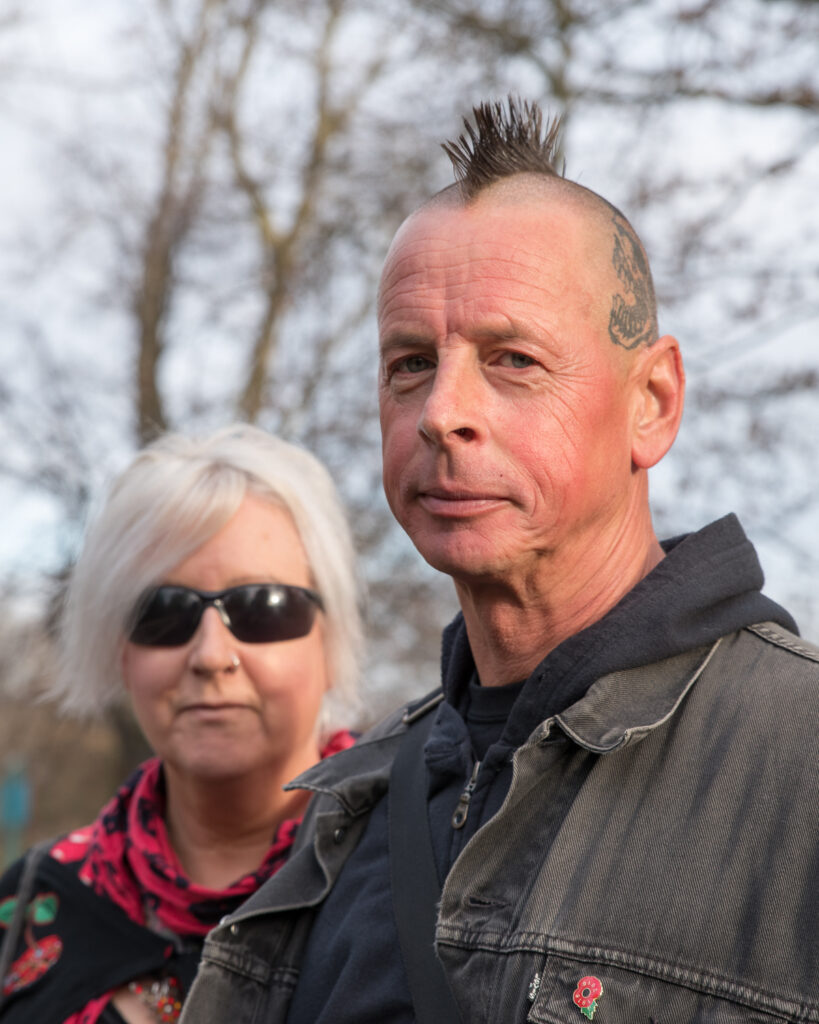
I didn’t end up in hospital, nor did I get arrested. I met some wonderful people I would not have done otherwise. The number of kind people who volunteered to be photographed was heartening. They all had interesting stories to tell. I made connections. I became humbled by the fact that they trusted me – a stranger – not to use the images inappropriately.
Yes, there are lots of nice people out there.
My experience was a surprise because I had expected hostility. I assumed that I’d be viewed with suspicion: a paparazzi looking to exploit and sensationalise. This is what the media presents us with – an ugly cat-and-mouse game that destroys reputations and steals happiness – even the Royals are not immune.
The professionals
One of the most famous photographs ever taken, Dorothea Lange took Migrant Mother in 1936. It is a portrait of Florence Owens Thompson.

Lange was working for the Farm Standards Authority project, part of the US New Deal resettlement initiative for rural and urban people in the Great Depression. Does the photograph meet the intended purpose of promoting the scheme and helping underprivileged people benefit from it? Or is it an intrusion? Does it steal Thompson’s dignity? What about her children being included in the photo? What if told you that Lange didn’t even ask her name (Thompson came forward some 45 years later) and that Lange made up an accompanying story about Thompson having to sell her car tyres for food? Maybe she just innocently mixed up the tyres story with someone else. Either way, was it ok to take the photograph? What do you think?
Another of my favourite photographers is Jim Mortram. His Small Town Inertia project depicts his friends and local people – underprivileged people that society doesn’t listen to. In a sense, he is highlighting the divisions in our society. An important ethos behind his work is that he doesn’t give a voice to subjects with his camera, but amplifies theirs. This requires him to establish great trust with his subjects so that they invite him – and his camera – fully into their lives. This is what gives the work such poignancy and makes it so moving (along with a hard gritty monochrome aesthetic).
Let’s bridge that gap
When we take a photo, the camera (or phone) is usually the only thing between us and our subject. That means it can be a divider, separating ‘us’ from ‘them’. Or it can just as easily be a bridge: a conversation starter opening new understandings, appreciation and a way to build trust. Just like any tool, whichever one it becomes is mostly down to us and how we choose to use it.
Perhaps our politicians should take snapshots of each other in parliament as a route to a more understanding world.